
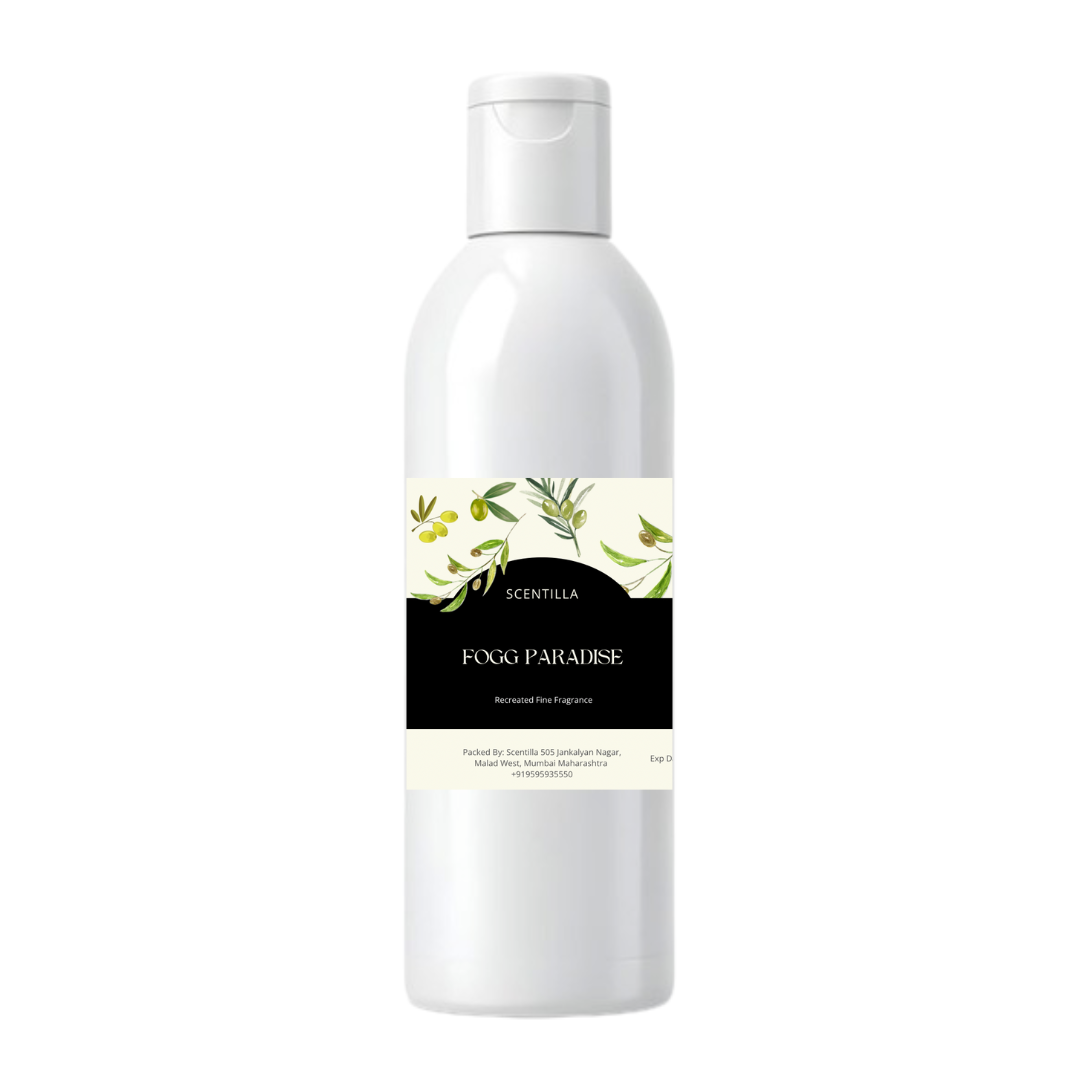
FOGG PARADISE
₹155.00 – ₹4,998.00
FOGG PARADISE – A tropical and exotic fragrance with fruity and floral notes.
The Captivating Top Notes: Lily of the Valley, Rose, Jasmine, and Citrus
When one considers the art of perfumery, it becomes evident that the initial encounter with a fragrance is deeply influenced by its top notes. Among the most celebrated of these are lily of the valley, rose, jasmine, and citrus. Each of these elements brings a unique, captivating quality to the opening bouquet, setting a refined and elegant stage for the layers to come.
Lily of the valley, with its delicate, sweet aroma, has long been revered not only for its beauty but also for its historical significance. Dating back centuries, it was a favorite of royal courts and a staple in classic fragrances, cherished for its purity and grace. Its subtle, green floral note is both reassuring and refreshingly crisp, making it a popular choice for those who seek a gentle introduction to a scent journey.
Rose, often hailed as the queen of flowers, brings a rich, multifaceted character to the top notes. Its complex profile, which can range from light and airy to deep and full-bodied, offers a sense of timeless romance. Historically, roses have symbolized love and admiration, and their inclusion in top notes is both a nod to tradition and an indulgence in luxury. The rose’s inherent versatility allows it to seamlessly blend with other ingredients, adding depth and sophistication to the initial fragrance impression.
Jasmine, known for its exotic and intoxicating fragrance, adds a lush, almost narcotic quality to the opening notes. Its rich floral scent evokes a sense of mystery and allure, making it a favorite in many perfumery compositions. Revered in many cultures as a symbol of beauty and sensuality, jasmine’s seductive aroma ensures an unforgettable initial impact.
Citrus notes, encompassing scents like lemon, bergamot, and orange, infuse a burst of zesty freshness that invigorates the senses. These bright and tangy aromas are immediately uplifting, providing an energetic start to the fragrance experience. Historically, citrus has been used for its clean and revitalizing properties, creating an immediate connection with vibrancy and vitality.
Together, lily of the valley, rose, jasmine, and citrus weave a mesmerizing tapestry of scents that captivate from the very first encounter. Each of these top notes brings its own unique charm, enhancing the emotional and sensory impact of the fragrance, ensuring that it leaves a lasting and elegant first impression.
The Journey of Fragrance Development over Time
The creation of a perfume is akin to composing a symphony, where each note unfolds over time to create a harmonious experience. Initially, the top notes of a fragrance provide the first impression, often characterized by the fresh and bright scents of citrus. These top notes are volatile and tend to evaporate quickly, leaving behind the more enduring middle notes or heart of the perfume.
Lily of the valley, rose, and jasmine often take center stage in the heart notes. As the initial citrus burst fades, these florals contribute a complex bouquet to the fragrance. Their presence is crucial in shaping the character of a perfume, offering depth and richness that are pivotal during the middle phase. Lily of the valley imparts a delicate, green touch, while rose adds a romantic and slightly powdery quality. Jasmine, often considered the “king of flowers” in perfumery, introduces a sweet, intoxicating aroma.
As the evolution continues, the base notes start to emerge. These notes anchor the fragrance and are typically composed of long-lasting ingredients such as woods, musks, and resins. The challenge for perfumers lies in balancing these base notes with the top and heart notes so that the fragrance maintains its coherence and appeal as it matures on the skin. Base notes like sandalwood, amber, and patchouli provide the enduring foundation that complements the floral and citrus elements, ensuring the fragrance evolves gracefully over time.
This delicate interplay between top, heart, and base notes necessitates a meticulous blending process. Perfumers must consider not only the individual qualities of each ingredient but also how they interact over time. This careful balancing act ensures that as the hours pass, the perfume reveals its full character, maintaining harmony and coherence throughout its lifecycle.
The Role of Soothing Base Notes: Musk, Vanilla, Amber, and Balsam
When crafting a sophisticated perfume, the selection of base notes is paramount. These robust elements not only ground the fragrance but also contribute significantly to its lasting depth and warmth. Among the most cherished and enduring are musk, vanilla, amber, and balsam. Each of these notes offers distinctive characteristics that enhance the overall composition and longevity of the perfume.
Musk has been a cornerstone in perfumery for centuries. Known for its rich, animalistic essence, musk provides a subtle yet persistent backdrop, imbuing the fragrance with a sense of sensuality and familiarity. Its ability to bind other elements together ensures that the floral and citrus top notes harmoniously sustain through time.
Vanilla, with its creamy and sweet aroma, adds a layer of comforting warmth that is both inviting and reassuring. Often used to soften and round out intense fragrances, vanilla’s versatile nature makes it an invaluable ingredient. It creates a balanced sweetness that delicately lingers on the skin, contributing to a memorable experience.
Amber offers a complex profile, combining resinous and woody notes with hints of warmth and sweetness. Its rich character lends an air of mystery and elegance to the perfume. Amber’s long-lasting nature ensures that the scent evolves beautifully throughout the day, maintaining its enchanting presence.
Balsam, with its earthy and slightly sweet undertones, completes the ensemble by adding depth and a touch of nature. Often described as a grounding note, balsam enhances the overall harmony of the fragrance, providing a foundation that helps the perfume develop gracefully over time.
Together, these base notes not only prolong the life of the perfume but also weave a complex and cohesive narrative. Through their layered depths and soft projections, musk, vanilla, amber, and balsam anchor the lighter top and middle notes, creating a scent that is both enduring and captivating.
Crafting the Perfect Blend: Tips and Techniques in Perfumery
The art of perfumery transcends simple fragrance creation; it is a meticulous craft requiring an intricate balance of science and creativity. Crafting a well-balanced perfume, one that seamlessly melds distinct notes like Lily of the Valley, Rose, Jasmine, and Citrus with enduring base notes, is a sophisticated process rooted in precision. Appreciating these olfactory works of art starts with understanding the rudiments of fragrance blending and recognizing the hallmarks of high-quality perfumes.
Renowned perfumers often emphasize the importance of balance and harmony. Each note within a perfume must support and enhance the others, creating a cohesive sensory experience. Lily of the Valley, for instance, imparts a slightly green and fresh nuance, which can be beautifully balanced by the sweet and romantic essence of Rose. Integrating the exotic allure of Jasmine and the vibrant zest of Citrus adds complexity and dynamism. However, these top and middle notes must be anchored by steadfast base notes, such as amber, musk, or sandalwood, which provide depth and longevity.
Perfume crafting involves both artistic intuition and scientific precision. As perfumer Jean-Claude Ellena eloquently puts it, “Creating a perfume is like composing music. You need to work with the right notes and not overwhelm the senses.” Perfumers often utilize techniques such as layering and maceration to enhance the cohesiveness of the blend. Layering involves the strategic addition of multiple notes at different stages, while maceration allows the perfume to mature over time, enhancing its complexity and ensuring consistent quality.
Identifying high-quality perfumes necessitates a discerning sense of smell and an appreciation for subtle nuances. Test the perfume on your skin to observe its evolution from the initial application through to the lingering base notes. High-quality perfumes will exhibit a balanced progression without any one note overpowering the others. Additionally, look for perfumes crafted with natural ingredients, as these typically offer more depth and authenticity compared to synthetic alternatives.
In the eloquent words of perfumer Roja Dove, “Perfumery is an art form that transcends time.” This timeless craft continues to enchant and captivate us with its ability to evoke memories, emotions, and sensations through masterfully blended notes. Whether you’re a seasoned aficionado or a budding enthusiast, appreciating the intricate art of perfumery enriches your aromatic experiences and deepens your connection to this enduring craft.
| Quantity | 25 G, 100 G, 1 KG |
|---|
Related products
-
Fine Fragrances
GOLD SANDAL
₹155.00 – ₹5,564.00 Select options This product has multiple variants. The options may be chosen on the product page -
Fine Fragrances
COOL WATER
₹5,564.00Original price was: ₹5,564.00.₹2,944.00Current price is: ₹2,944.00. Add to cart Buy Now -
Fine Fragrances
ESCADE
₹5,713.00Original price was: ₹5,713.00.₹3,023.00Current price is: ₹3,023.00. Add to cart Buy Now
Reviews
There are no reviews yet.