
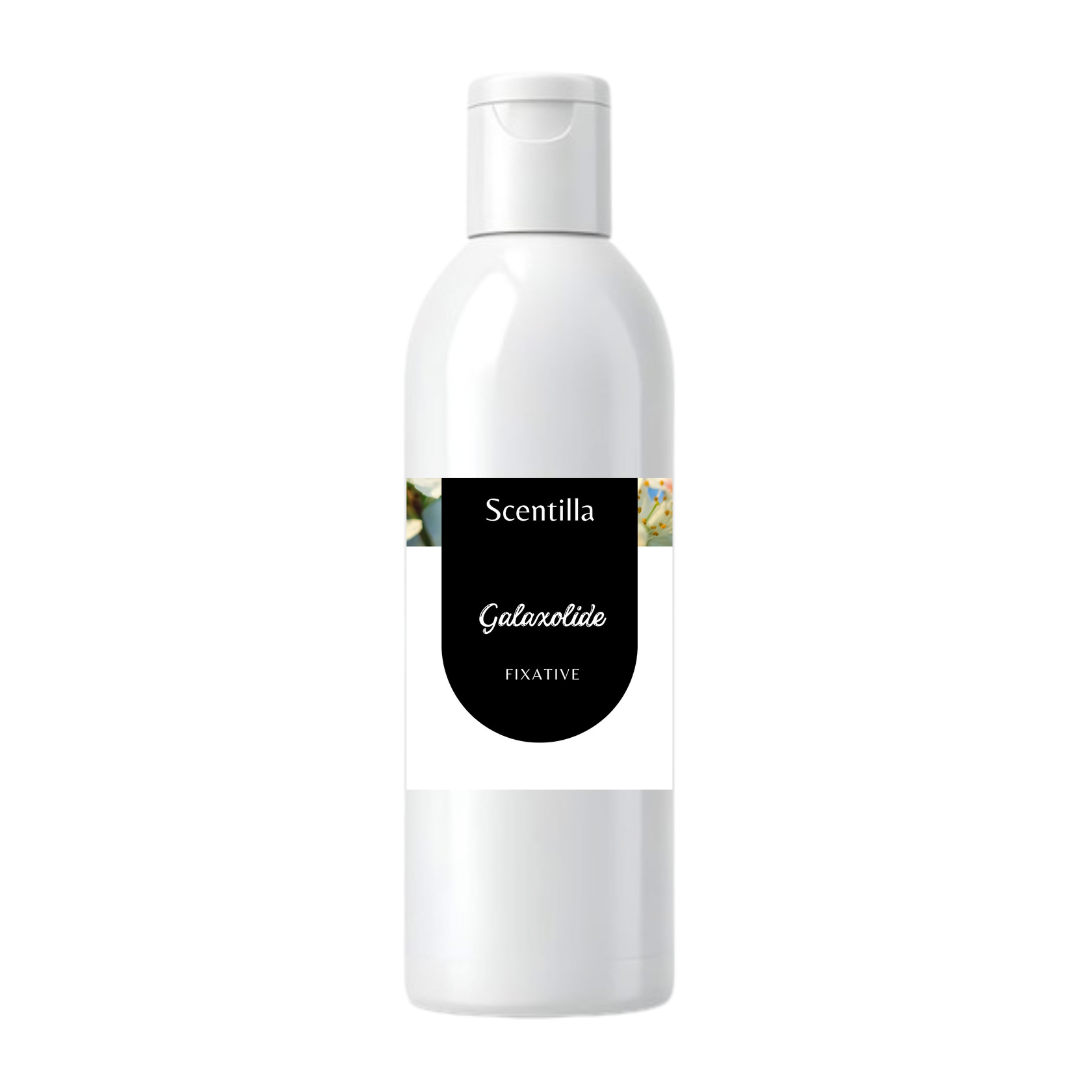
Introduction to Galaxolide 50
Galaxolide 50, also known as Hexahydrohexamethylcyclopentabenzopyran, is a synthetic musk compound extensively utilized in the fragrance industry. Developed in the 1960s by the chemists at International Flavors & Fragrances (IFF), Galaxolide 50 has since become a cornerstone ingredient in modern perfumery. The substance is classified as a polycyclic musk, characterized by its unique molecular structure and stability, which enhances both the longevity and consistency of fragrances.
The chemical composition of Galaxolide 50 comprises a cyclopentane ring with multiple methyl groups, conferring its distinctive musky scent. This synthetic musk was designed to replicate and improve upon natural musk substances, which were traditionally derived from the glands of animals such as the musk deer. Given the ethical and sustainability concerns surrounding the harvest of natural musks, Galaxolide 50 represents a significant advancement in creating cruelty-free, sustainable, and reliable alternatives in the perfume industry.
Beyond its ethical advantages, Galaxolide 50 outperforms natural musks in terms of chemical stability and versatility. It remains a favored choice among perfumers due to its ability to retain fragrance integrity over time, reducing the rate at which perfumes dissipate from the skin. Its efficacy as a fixative ensures that scents remain perceivable for extended periods, enhancing the user experience.
Galaxolide 50’s journey from discovery to indispensability in perfumery underscores the compound’s impact on fragrance formulation. Its synthetic origin not only provides an ethical replacement for animal-derived musks but also introduces a level of consistency unachievable with natural equivalents. As the fragrance industry continues evolving towards sustainability and innovation, Galaxolide 50 remains a pivotal ingredient, bridging the gap between traditional musks and contemporary, eco-conscious perfumery practices.
The Chemistry of Fixatives in Perfumes
Perfumes are intricate concoctions of numerous volatile compounds. These compounds are responsible for the varying notes that a perfume emanates over time. However, due to the natural tendency of volatile compounds to evaporate quickly, the fragrance can diminish faster than desired. This is where fixatives come into play. Fixatives are substances added to perfumes to slow the rate of evaporation and thus, enhance the longevity and stability of the fragrance.
Galaxolide 50 is a prominent fixative in the perfume industry known for its exceptional performance. Chemically speaking, Galaxolide 50 belongs to the polycyclic musk family. Its molecular structure consists of an odoriferous core enveloped by a network of rings that contribute to its low volatility and high stability. This unique structure allows Galaxolide 50 to integrate seamlessly with the other ingredients in a perfume, anchoring the more fleeting volatile compounds. Consequently, it prolongs the aromatic experience by ensuring that the fragrance lingers longer on the skin.
The efficacy of Galaxolide 50 as a fixative stems from its ability to bind with other aromatic molecules, thus slowing their evaporation rate. Additionally, its olfactory properties add depth and complexity to perfumes, making it a dual-purpose component. This characteristic not only stabilizes the perfume but also enhances its overall bouquet.
While Galaxolide 50 is a preferred fixative for many perfumers, it is not the sole option available. Natural fixatives like benzoin resin, labdanum, and myrrh are also commonly employed. These natural substances offer similar benefits but differ in their molecular composition and olfactory profiles. Additionally, synthetic fixatives such as iso E super and ambroxan are widely used for their ability to provide consistent and lasting results. Compared to these, Galaxolide 50 is often favored for its balanced performance and versatility.
In summary, the choice of fixative is critical in perfume formulation, significantly affecting the fragrance’s longevity and stability. Galaxolide 50 stands out due to its chemical properties and effective role in moderating the evaporation of volatile compounds, making it an invaluable asset in the world of perfumery.
Applications and Benefits of Galaxolide 50 in Perfumery
Galaxolide 50, a widely used synthetic musk, plays a pivotal role in the perfume formulation process. Esteemed for its unique fixative properties, this ingredient significantly enhances the longevity and stability of fragrances. Its ability to anchor volatile notes ensures that perfumes maintain their intended scent profiles throughout the day; a characteristic highly valued by both manufacturers and consumers.
From a practical standpoint, Galaxolide 50 is integrated into perfumes to boost scent durability. Its molecular stability allows fragrances to endure various environmental conditions, such as changes in temperature and humidity, without degrading. This resilience not only prolongs the life of the fragrance on the skin but also maintains the perfume’s integrity over extended periods, making it cost-effective for manufacturers who rely on its consistency.
Furthermore, Galaxolide 50’s cost-effectiveness stems from its efficiency in small quantities. Perfumers can achieve the desired fixative effect without the need for large amounts of this ingredient, optimizing production costs. This economic advantage translates to better pricing strategies and potentially higher profitability within the competitive perfume market.
Many iconic perfumes incorporate Galaxolide 50 into their compositions. For instance, the renowned fragrances Chanel No. 5 and J’adore by Dior utilize this ingredient to ensure their robust scent profile and lasting appeal. The inclusion of Galaxolide 50 in these famous formulations underscores its essential role in crafting perfumes that stand the test of time.
Industry experts and perfumers frequently commend Galaxolide 50 for its effectiveness. Renowned perfumer Jean-Claude Ellena acknowledges its unparalleled ability to enhance fragrance durability, likening it to “the invisible framework” that holds the scent together. The general consensus among professionals is that the consistent performance of Galaxolide 50 makes it an invaluable asset in perfumery.
Safety and Environmental Considerations
Galaxolide 50, a synthetic musk commonly utilized in the perfume industry, has garnered attention for its dual role in enhancing fragrance longevity and stability. However, its safety profile necessitates thorough examination. Regulatory standards have been established to govern the use of such compounds, ensuring minimal health risks to consumers. These regulations require extensive toxicological and dermatological testing to ascertain the safety of Galaxolide 50 in various applications.
Several studies have investigated the potential health implications of Galaxolide 50 exposure. These studies have generally concluded that, when used within regulatory limits, Galaxolide 50 poses minimal risk to human health. Specific safeguards, such as concentration limits, have been outlined to mitigate any adverse effects, reassuring both industry stakeholders and end-users of its safety.
Environmental concerns surrounding synthetic musk compounds like Galaxolide 50 are also paramount. These compounds persist in the environment, raising questions about their biodegradability and ecological impact. Research indicates that Galaxolide 50, while not readily biodegradable, degrades over time. Nevertheless, its persistence can still affect aquatic ecosystems. Trace amounts of synthetic musks have been detected in water bodies, raising alarms about potential disruptions to marine life.
In response to these environmental concerns, the fragrance industry has taken significant measures to ensure sustainable production and use practices for Galaxolide 50. This includes investing in greener synthesis methods and enhancing wastewater treatment processes to reduce environmental release. Current research continues to focus on improving the biodegradability of synthetic musks and exploring alternative compounds that offer similar benefits with reduced ecological footprints. By adhering to stringent regulatory standards and promoting sustainability, the industry strives to balance product efficacy with environmental stewardship.
| Quantity | 25 G, 100 G, 500 G, 1 KG, 5 KG |
|---|
Related products
-
DIY Perfume Supplies
Perfume Bases Ready-to-Use
₹129.00 – ₹995.00 Select options This product has multiple variants. The options may be chosen on the product page -
DIY Perfume Supplies
Diethyl Phthalate (DEP)
₹85.00 – ₹4,555.00 Select options This product has multiple variants. The options may be chosen on the product page -
DIY Perfume Supplies
Di Propylene Glycol (DPG)
₹115.00 – ₹3,255.00 Select options This product has multiple variants. The options may be chosen on the product page



Reviews
There are no reviews yet.